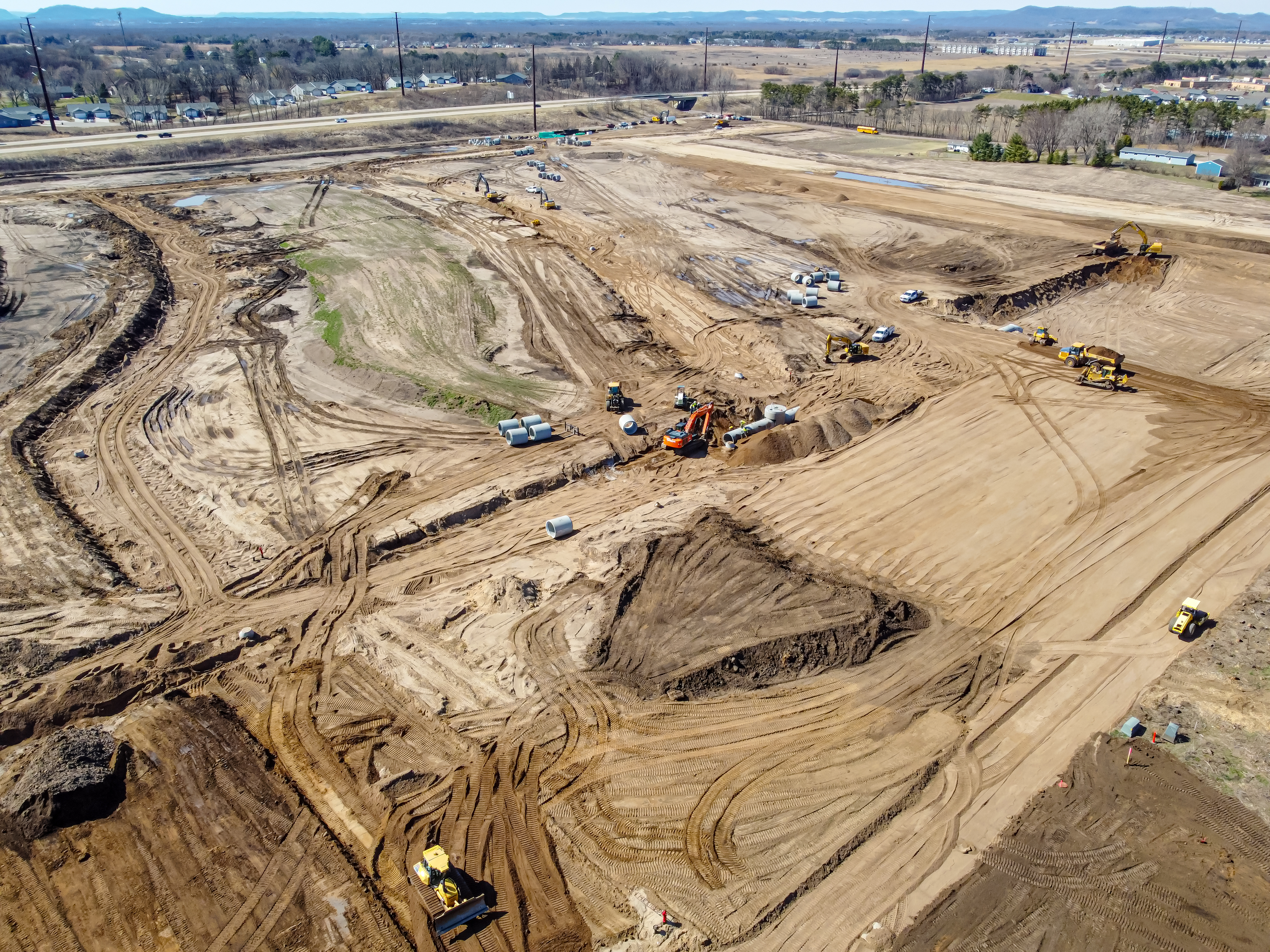
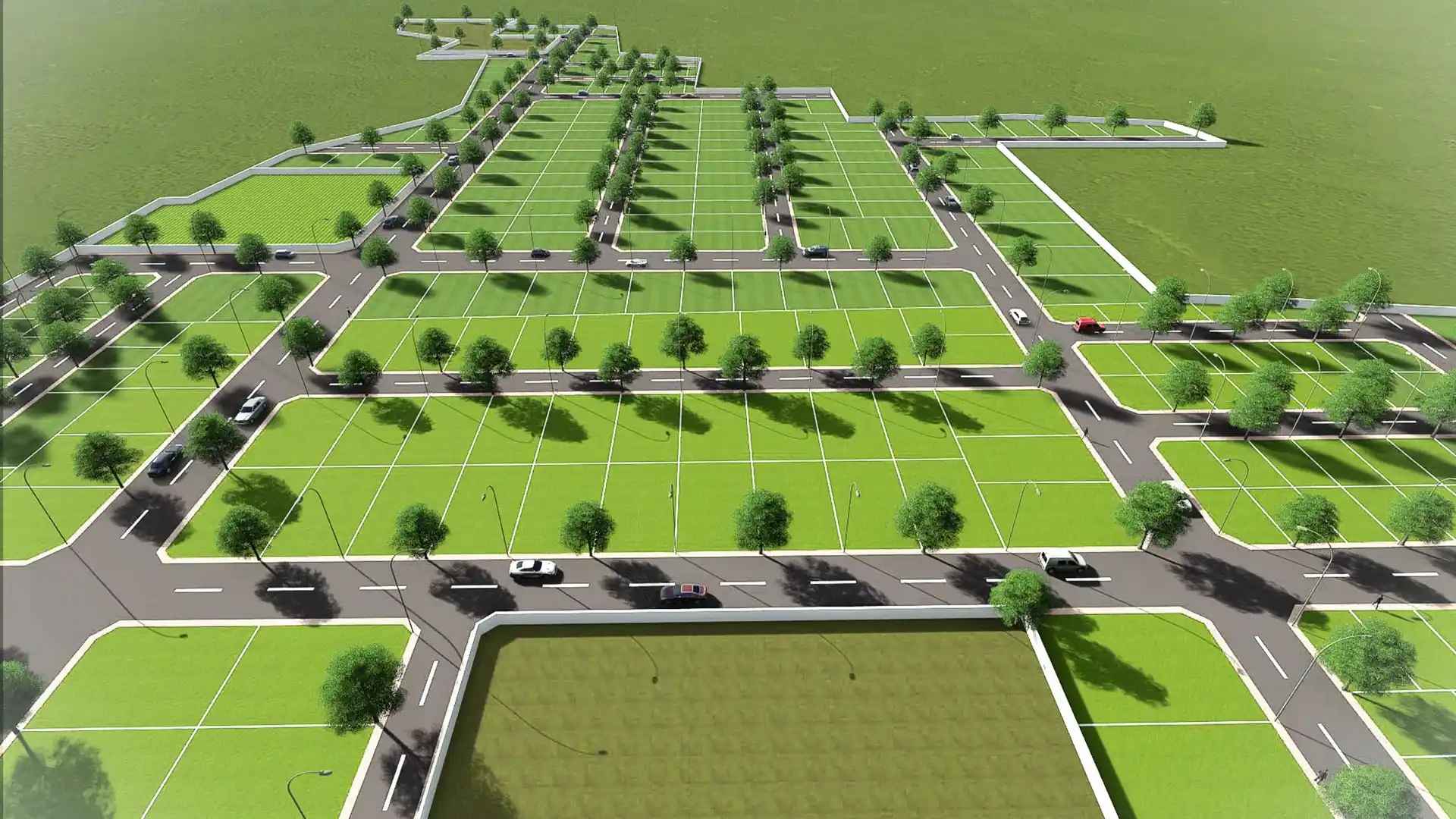
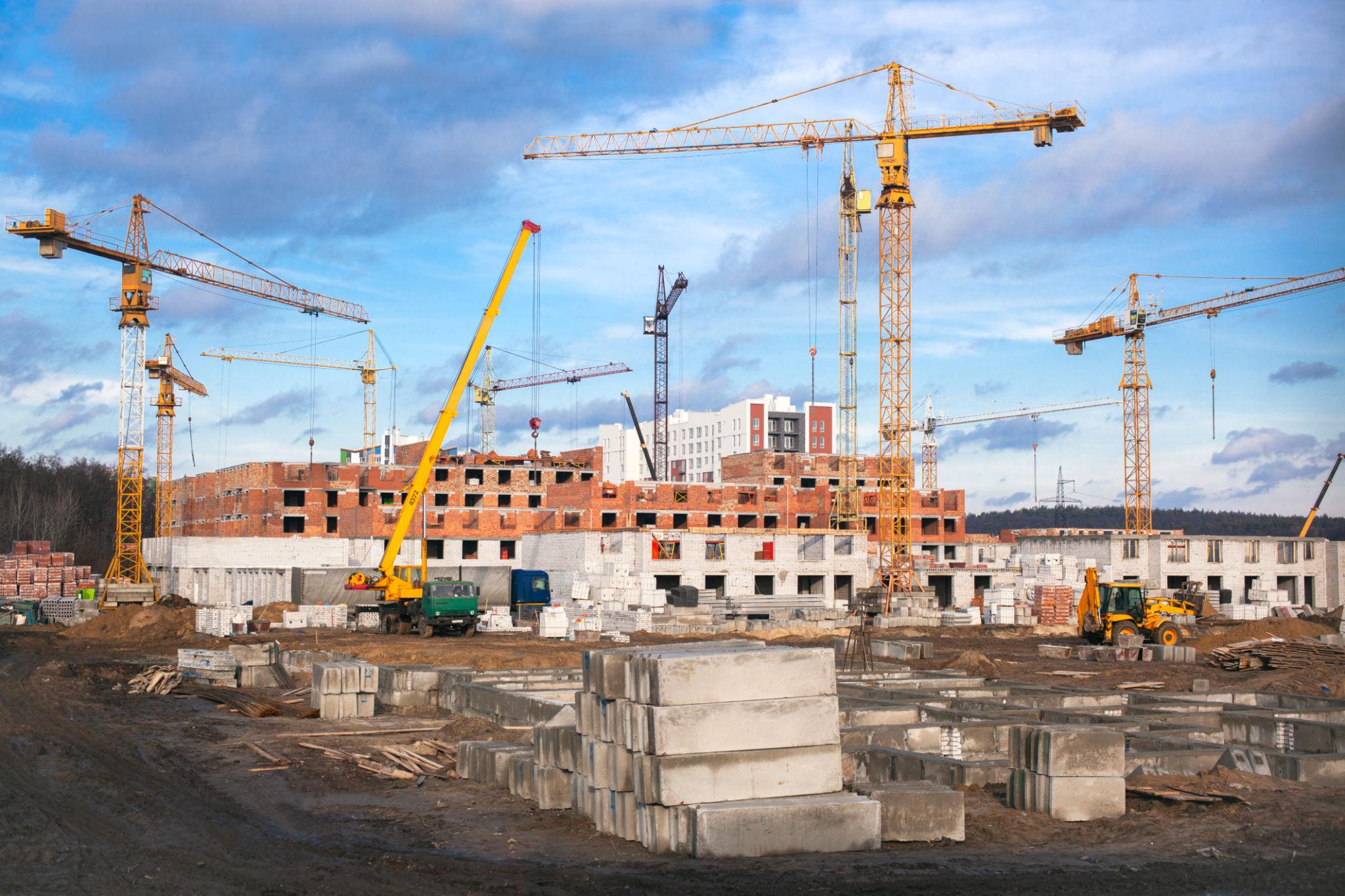
Land development is the process of preparing raw land for construction or residential use by providing essential infrastructure such as roads, drainage, water supply, electricity, and plot demarcation. It transforms vacant land into usable and organized spaces.
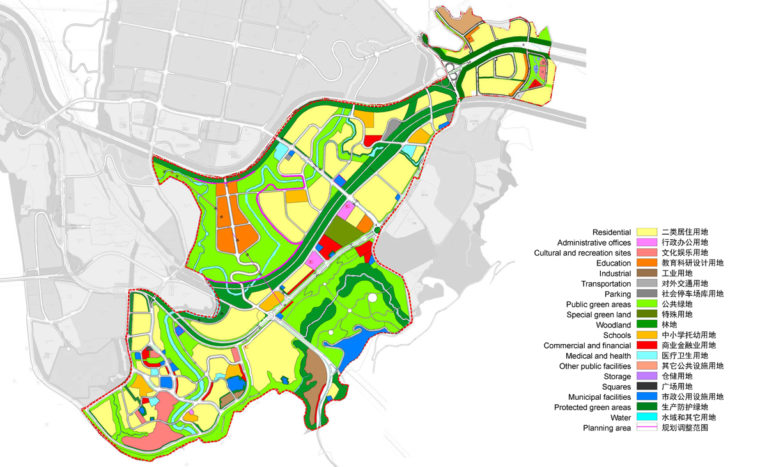

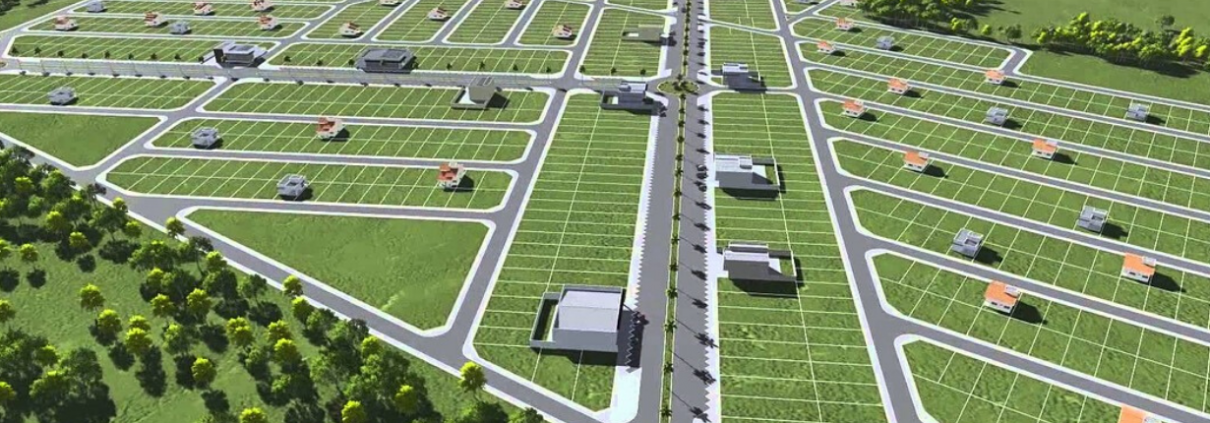
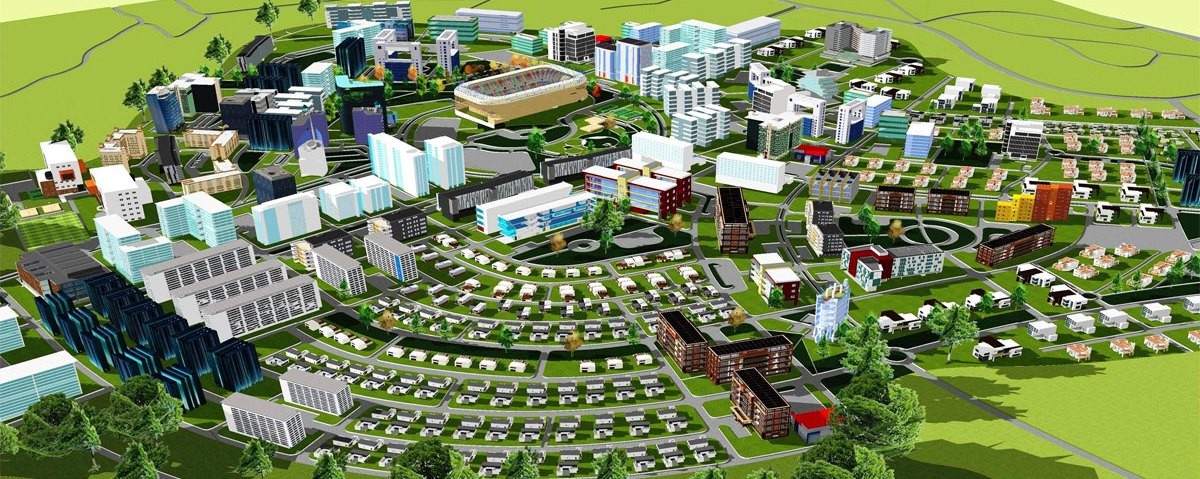
🏞️ Land Development
Land development refers to the systematic improvement of undeveloped or partially developed land to make it suitable for residential, commercial, or industrial use. The process begins with land survey and planning, where boundaries, contours, and land usage are defined according to regulations and zoning laws.
Key stages of land development include:
Land Survey & Layout Planning – Measuring land, dividing plots, and planning roads and open spaces.
Land Clearing & Leveling – Removing unwanted vegetation, rocks, and leveling the land.
Road Formation – Construction of internal roads with proper width and access.
Drainage & Sewage Systems – Stormwater drains and underground sewage lines to prevent waterlogging.
Water & Electricity Infrastructure – Laying pipelines, overhead tanks, transformers, and street lighting.
Open Spaces & Amenities – Parks, green areas, and spaces for community facilities.
Well-planned land development ensures legal compliance, safe living conditions, and future growth potential. It increases land value and supports sustainable urban expansion while providing organized living environments 🌱🏘️.